Research articlePublished 15 Mar 2021
Vulnerability Associated with Transmission of Malaria among Migrants in Nepal
Abstract
Select any words in the title or abstract, or press this and choose a sentence.
Transmission of malaria determines receptivity and vulnerability characteristics of an area. As indigenous malaria cases in Nepal have declined in recent years, the number of imported cases, largely from India, has increased. In the context of increasing, trend of imported cases of malaria transmission in Nepal, it is important to understand the nature of imported cases of malaria and its vulnerability. The overall objective of this study was to examine the vulnerability associating transmission of malaria among migrants in province 5. Methods and Martials: Study designs have been descriptive and analytical, study populations have been all investigated imported cases, 159 sample sizes have been taken and secondary sources have been used for data collection. Department of health services, Epidemiology and diseases control Division has been providing data. Results: Must vulnerable age founded age group 15-59 years and mean age was found 28 ±11. Occupation was found to be statistically significantly associated with malaria species (p<0.01). Similarly, previous infection was also found to be associated with malaria species, which was statistical significant at p<0.01. Occupation was also found statistically significantly associated with use of preventive measures at p<0.01 level. Similarly duration of stay was found to be statistically significantly associates with use of preventive measures at p<0.05 level. Occupation was found statistical significantly associated with a previous history of malaria at p<0.05 level. Ethnicity was found statistical associated with treatment with national malaria treatment protocol, which was significant at p<0.05 level. Duration of stay was found statistically associates with treated with national malaria treatment protocol, which was significant at P<0.05 level. Conclusion: Must vulnerable age group was found 15-59 years group. With gender, males use less preventive measures as compared to female. Majority of Janjatis have not treated of their previous infection with national malaria treatment protocol. With occupation, labor was found must vulnerable for transmission of malaria than other occupational group. Those who stay less than 6 months or frequently visited different places were must vulnerable transmission of malaria infection.
Subjects
Infectious DiseasesAsk about this article
Answers come only from this article's title, abstract and keywords, each sentence pointing to where it comes from. Your question is sent to OpenAI to write the answer. Scholars Central does not store it.
Follow
New articles from what you follow go into your email digest, once you agree to alert emails.
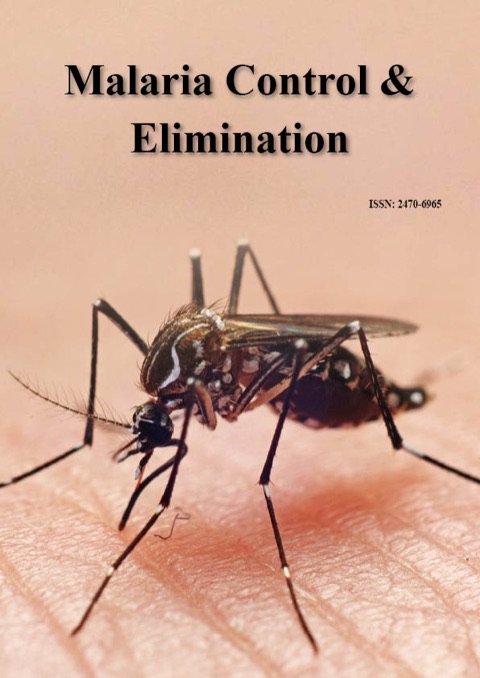
- JournalMalaria Control & Elimination
- SubjectInfectious Diseases
- BylineArticles whose byline prints “Ram Chandra Poudel”
- BylineArticles whose byline prints “Dr Yogendra Bdr Gurung”
- BylineArticles whose byline prints “Rupa Siwakoti”
- BylineArticles whose byline prints “Kesher Bdr Thapa”